
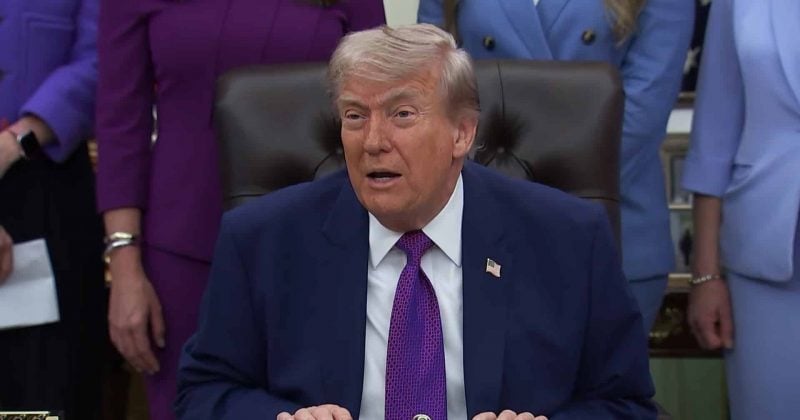
Donald Trump has flatly rejected Iran’s latest nuclear counter-proposal, calling it “totally unacceptable” and “a piece of garbage.”
The core issue: Iran’s proposal reportedly does not commit to dismantling its enrichment facilities or to a binding end of its nuclear weapons program.
What Iran actually proposed
According to The Wall Street Journal, Iran’s counter-offer included several conditions that collectively amounted to a non-starter for Washington.
Tehran offered to dilute some of its enriched uranium but also insisted on retaining the right to reclaim those materials if the agreement collapsed. Iran also demanded war reparations and sought recognition of its control over the Strait of Hormuz, the narrow waterway through which roughly a fifth of the world’s oil supply passes daily.
Trump framed the rejection as a defining moment. He warned that the outcome of these negotiations would be “pivotal” for the future of the Middle East.
Mixed signals from the administration
While Trump was publicly torching the proposal, Vice President J.D. Vance struck a notably different tone. Vance indicated that negotiations remain sensitive and that progress is, in fact, being made behind the scenes.
Energy markets and the geopolitical ripple effects
The Strait of Hormuz sits between Iran and Oman, and Iran’s military presence in the strait already contributes to elevated energy prices and broader macroeconomic risk.
For energy-dependent economies in Europe and Asia, the stakes are straightforward. A deal that constrains Iran’s nuclear ambitions would likely ease sanctions pressure and eventually bring more Iranian oil to market, softening prices. A failure to reach a deal keeps supply constrained and risk elevated.






Leave feedback about this