
The complaint alleges seven entities misused AI buzzwords and crypto promises to defraud US retail investors of $14 million.
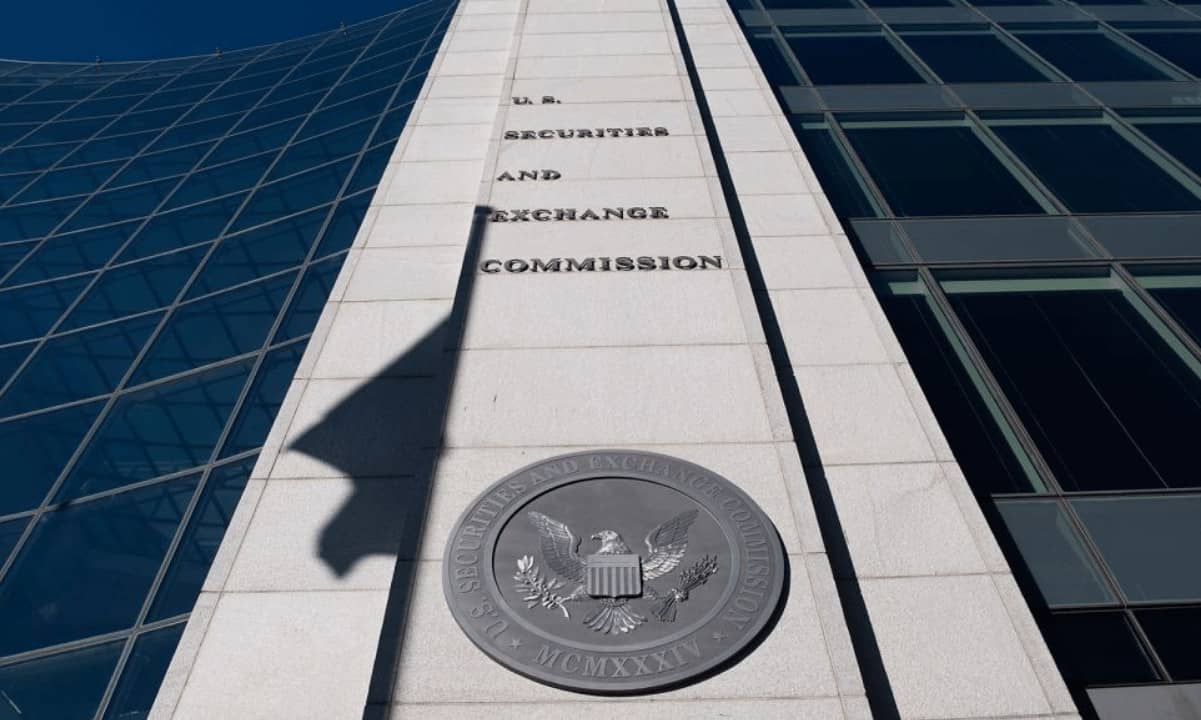
The US Securities and Exchange Commission (SEC) has charged three entities that claimed to operate crypto asset trading platforms, along with four so-called investment clubs, for allegedly running a large-scale fraud that targeted retail investors through social media.
According to the SEC, Morocoin Tech Corp., Berge Blockchain Technology Co. Ltd., and Cirkor Inc., together with AI Wealth Inc., Lane Wealth Inc., AI Investment Education Foundation Ltd., and Zenith Asset Tech Foundation, misappropriated more than $14 million from mostly US-based investors. The regulator said the scheme operated from at least January 2024 to January 2025 and followed a familiar pattern seen in many modern online investment scams.
Fake Crypto Platforms, Real Losses
The SEC alleges that the defendants first attracted victims using advertisements on popular social media platforms, and promised easy profits and advanced, AI-generated investment advice. Interested users were then invited to join WhatsApp group chats, where scammers posed as experienced financial professionals and slowly built trust by sharing what they claimed were successful AI-powered trading tips.
Once investors were convinced, they were encouraged to open accounts and deposit money on purported crypto trading platforms run by Morocoin, Berge, and Cirkor. These platforms allegedly claimed to be properly licensed and regulated, including making false statements about government approval.
The SEC says this was not true. The complaint further alleges that the investment clubs promoted fake “Security Token Offerings,” which they said were linked to real companies. In reality, no such companies or offerings existed, and no actual trading ever took place on the platforms.
When investors later attempted to withdraw their funds, the defendants allegedly demanded additional upfront fees, a tactic often used to extract even more money from victims. According to the agency, all investor funds were ultimately misappropriated and funneled overseas through a complex network of bank accounts and crypto wallets.
In a statement, Laura D’Allaird, chief of the SEC’s Cyber and Emerging Technologies Unit, said
You may also like:
“Our complaint alleges a multi-step fraud that attracted victims with ads on social media, built victims’ trust in group chats where fraudsters posed as financial professionals and promised profits from AI-generated investment tips, then convinced victims to put their money into fake crypto asset trading platforms where it was misappropriated.”
AI-Powered Fraud
In addition to AI-generated investment advice, AI deepfakes have also increased significantly. Fraudsters are increasingly using artificial intelligence to produce realistic videos that appear to show well-known figures, such as X owner Elon Musk, endorsing bogus investment schemes on social media. Scammers are also exploiting AI to get around KYC checks, forge customer support conversations, and replicate platform dashboards to appear legitimate.
In some cases, they have even abused Zoom meetings by sending fake invites that contain links to malicious software.
SECRET PARTNERSHIP BONUS for CryptoPotato readers: Use this link to register and unlock $1,500 in exclusive BingX Exchange rewards (limited time offer).






Leave feedback about this