
Key Takeaways
- Taiwan passed the Virtual Asset Service Act on June 30, making the FSC the sole crypto regulator.
- Untrusted stablecoin issuers or unlicensed VASPs face up to 7 years in prison and $3.1M fines under the law.
- The FSC must draft roughly 9 pieces of secondary legislation to fully launch the rules by early 2027.
Strict Licensing and Operational Requirements
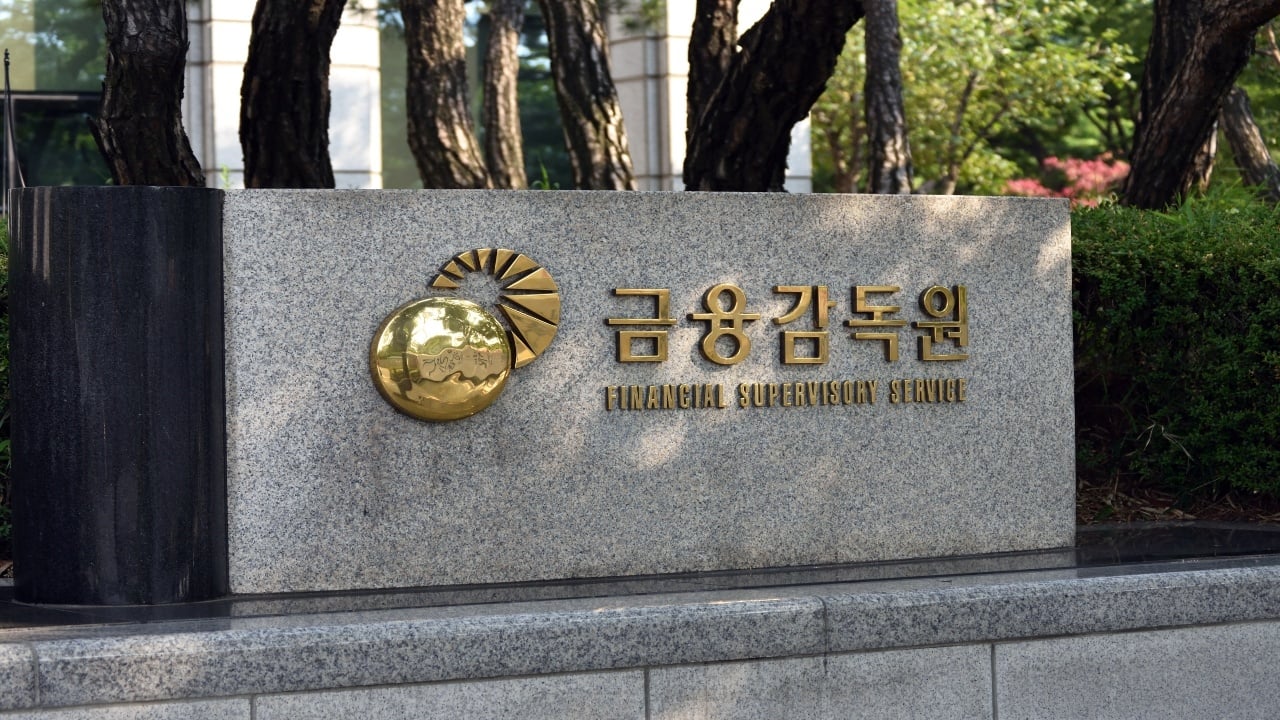
Taiwan’s Legislature on June 30 approved the Virtual Asset Service Act, establishing the island’s first dedicated cryptocurrency law and designating the Financial Supervisory Commission (FSC) as the sole regulator. According to reports, the 56‑article statute replaces an anti‑money‑laundering registration system with mandatory licensing for all virtual asset service providers.
Under the regime, exchanges, custodians and wallet operators must obtain FSC approval and meet requirements for internal controls, cybersecurity and business continuity. Providers must secure separate licenses across seven categories — exchange, trading platform, transfer, custody, underwriting, lending and others — ending the practice of offering multiple services under a single registration. The rules are expected to take effect by early 2027.
Eight incumbents who previously completed anti-money laundering (AML) registration will have 12 months to apply for licenses and 21 months to obtain certification once the law takes effect, with a possible three‑month extension.
The act also creates Taiwan’s first stablecoin framework. Domestic issuance is limited to banks, and tokens must be pegged solely to fiat currencies. In addition, issuers must maintain full one‑to‑one reserves segregated from company funds and placed in trust with domestic financial institutions.
Foreign-issued stablecoins such as USDT and USDC will be treated as regulated commodities and will require FSC approval for listing on licensed exchanges. Operating a virtual asset service provider (VASPs) or issuing stablecoins without authorization is punishable by up to seven years in prison and fines of up to $3.1 million (NT$100 million).
The FSC must draft roughly nine pieces of secondary legislation by early 2027. The Virtual Asset Service Provider Association said it would assist firms through implementing rules covering establishment, personnel management, internal controls, abnormal‑transaction monitoring, outsourcing and financial‑statement preparation. It will also operate committees for listing review, discipline and fraud‑prevention compliance.
Lawmakers also adopted a nonbinding resolution requesting the FSC to submit, within one year, a plan to allow licensed firms to offer cryptocurrency derivatives.





Leave feedback about this