
Key Takeaways
- Bithumb targets a 2028 IPO with a preliminary listing filing set for 2027.
- A February ledger error involving 620,000 BTC, near $43 billion, triggered an FSS review.
- Watch Bithumb’s 2027 filing and Korea’s 22% crypto tax starting January 2027.
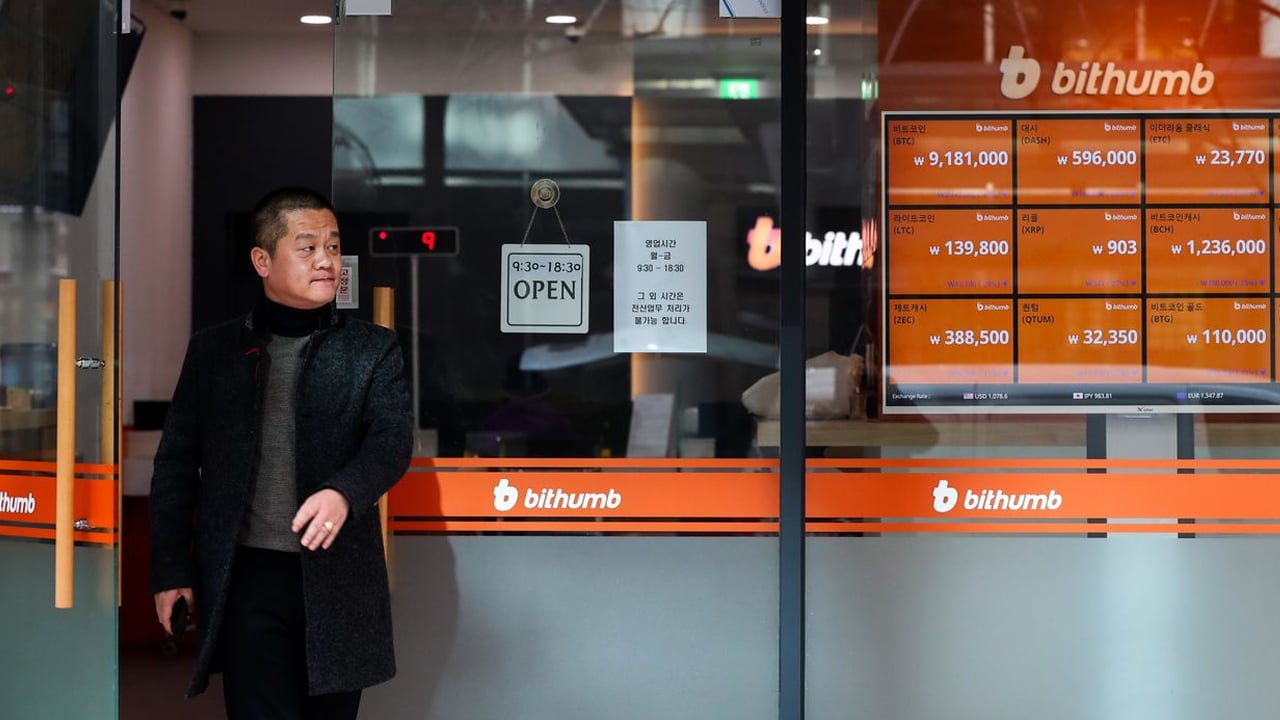
Rather than promising a quick path to market, the roadmap published by the South Korean exchange focuses on the less glamorous work that typically determines whether an exchange is ready to become a public company: stronger accounting, tighter internal controls and regulatory compliance.
The company will spend 2026 upgrading its governance and converting its financial reporting to K-IFRS, the accounting standard used by publicly traded companies. A preliminary listing review is planned for 2027 before an IPO attempt in 2028.
Repair Weaknesses Before Ringing the Bell
Companies rarely delay an IPO unless they conclude the underlying business needs more work. That appears to be the case here.
Bithumb had previously targeted a 2025 listing before executives acknowledged the exchange needed stronger financial controls and a more mature compliance structure. Chief Financial Officer Jeong Sang-gyun said in March that accounting policies and internal governance had to improve before moving forward. The company has since hired Samjong KPMG through the end of 2027 to help guide the process.
Preparing for a public listing is less about marketing to investors than proving the business can withstand years of regulatory scrutiny. Auditors typically spend as much time examining internal processes as they do financial statements, making governance upgrades a critical part of the timeline.
Confront the Cost of Operational Mistakes
The urgency behind those changes became much clearer after a costly internal mistake in February.
During a promotional campaign, an employee mistakenly credited customers with roughly 620,000 bitcoin instead of a much smaller amount denominated in Korean won. Although the error largely remained on Bithumb’s internal ledger, it exposed weaknesses in approval procedures and operational safeguards.
The exchange recovered about 99.7% of the erroneous balances, absorbed the remaining loss from its own reserves, and later created a customer protection fund. The incident also prompted South Korea’s Financial Supervisory Service to examine the exchange’s internal controls and risk management practices.
Operational errors of this size often become defining moments for financial companies because regulators typically focus less on the mistake itself than on why existing safeguards failed to prevent it.
Strengthen the Business While Revenue Grows
Financially, Bithumb enters the IPO process from a position of relative strength.
The exchange reported 2025 revenue of 651.3 billion won, roughly $430 million to $450 million, an increase of 31.2% from the previous year. Operating profit climbed 22.3% to 163.5 billion won, although net profit fell because of valuation losses tied to crypto assets held on its balance sheet.
The company also expanded its customer base after switching its banking partner to KB Kookmin Bank, adding 1.74 million new users and pushing market share above 30% during 2025.
Those results provide a solid financial foundation, but public investors are likely to place equal weight on governance improvements and regulatory compliance as they evaluate the business.
Navigate a Tougher Market
The broader trading environment has become less favorable.
Combined trading volume across South Korea’s five largest won-based cryptocurrency exchanges dropped 54.6% during the first half of 2026. Bithumb’s market share also eased from roughly 30.7% to around 27% during parts of the year as Upbit continued to dominate trading activity.
Competition is also intensifying. Upbit’s parent company, Dunamu, continues pursuing its own listing plans, meaning whichever exchange reaches the public market first could establish the benchmark for Korea’s crypto industry.
Watch the Next Major Milestones
Bithumb’s IPO schedule now depends less on setting new target dates and more on completing measurable milestones.
The conversion to K-IFRS, progress on the Financial Supervisory Service review and the planned 2027 preliminary listing application will provide the clearest signals about whether the exchange remains on track for a 2028 debut. New regulations, including South Korea’s planned 22% capital gains tax on cryptocurrency beginning Jan. 1, 2027, and broader digital asset legislation, will also shape the operating environment before shares ever reach the market.
Bithumb has postponed listing plans before, and the company acknowledges the timeline could still change. The difference this time is that every step toward an IPO will unfold under closer regulatory oversight, leaving far less room for missed deadlines or operational missteps.






Leave feedback about this