
Key Takeaways
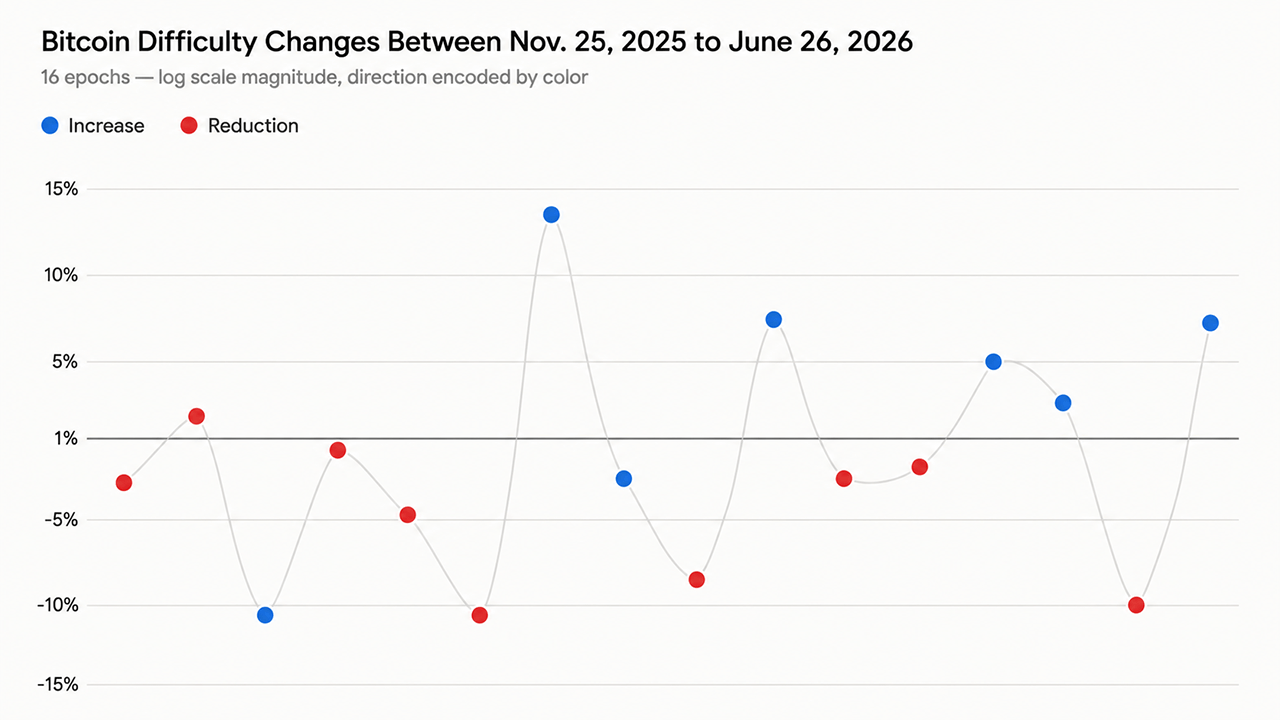
- Bitcoin’s difficulty rose 7.15% at block 955,584 on June 26, marking the year’s second-largest increase.
- Hashprice dropped 18.34% in 30 days to $28.68 per PH/s, squeezing margins for Bitcoin miners network-wide.
- Hashrate holds near 984 EH/s as miners absorb losses, betting on cyclical recovery and future BTC accumulation.
The Screws Tighten
Onchain data shows that on June 26, 2026, at block height 955,584, Bitcoin’s difficulty rating rose 7.15% after the prior epoch’s 10.09% decline. The adjustment means discovering a block is now 7.15% more difficult than it was before block 955,584 and the 2,016 blocks that preceded it. The increase lifts the difficulty to 133.87 trillion.
When Satoshi mined the genesis block, the network required a guess beginning with roughly eight leading zeros in hexadecimal to qualify as valid. Today, at a difficulty of 133.87 trillion, a valid hash needs about 22 leading zeros. Each additional leading zero makes the odds exponentially tougher because the target shrinks by a factor of 16 every time.
Bleeding but Standing
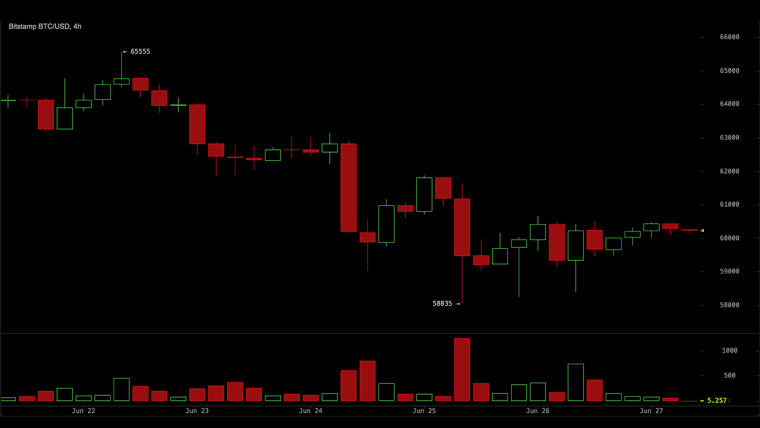
The difficulty increase arrives as bitcoin’s value has fallen 43% over the past 12 months and now sits 51% below its all-time high above $126,000.
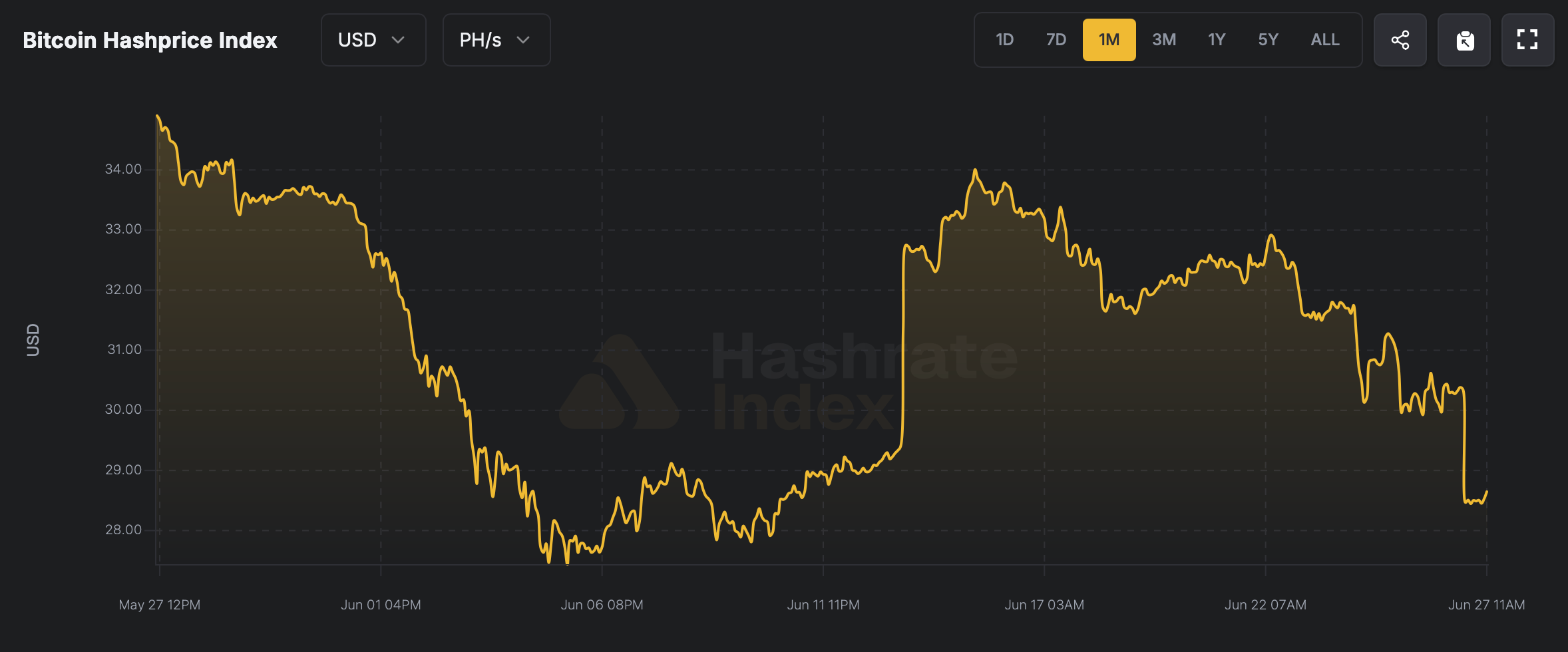
That decline has weighed on miner revenue, with hashprice, or the expected value of one petahash per second (PH/s), sitting at $28.68. That figure is 18.34% lower than it was 30 days earlier on May 27, when hashprice stood at $35.12.
The Stubborn Machine
Still, hashrate remains elevated near the 1,000 EH/s range, sitting at 984 EH/s at press time. Despite several meaningful drawdowns, Bitcoin’s hashrate has held firm near that level. Not all hashrate is created equal. New hardware keeps the most efficient operators profitable, while low-cost or flexible power now defines much of the hashrate still standing. Low fees sting, but they are not the decisive variable.
Built to Outlast the Builders
The reality is that many miners operate on thin margins, or even brief losses, while betting on cyclical recovery. Deployed mining machines are sunk capital. Shutting down entirely means surrendering future upside, possible difficulty relief and the chance to accumulate BTC. What this means is visible in today’s hashrate: a network that has largely moved sideways since last year’s all-time highs, which arrived alongside bitcoin’s price peaks.
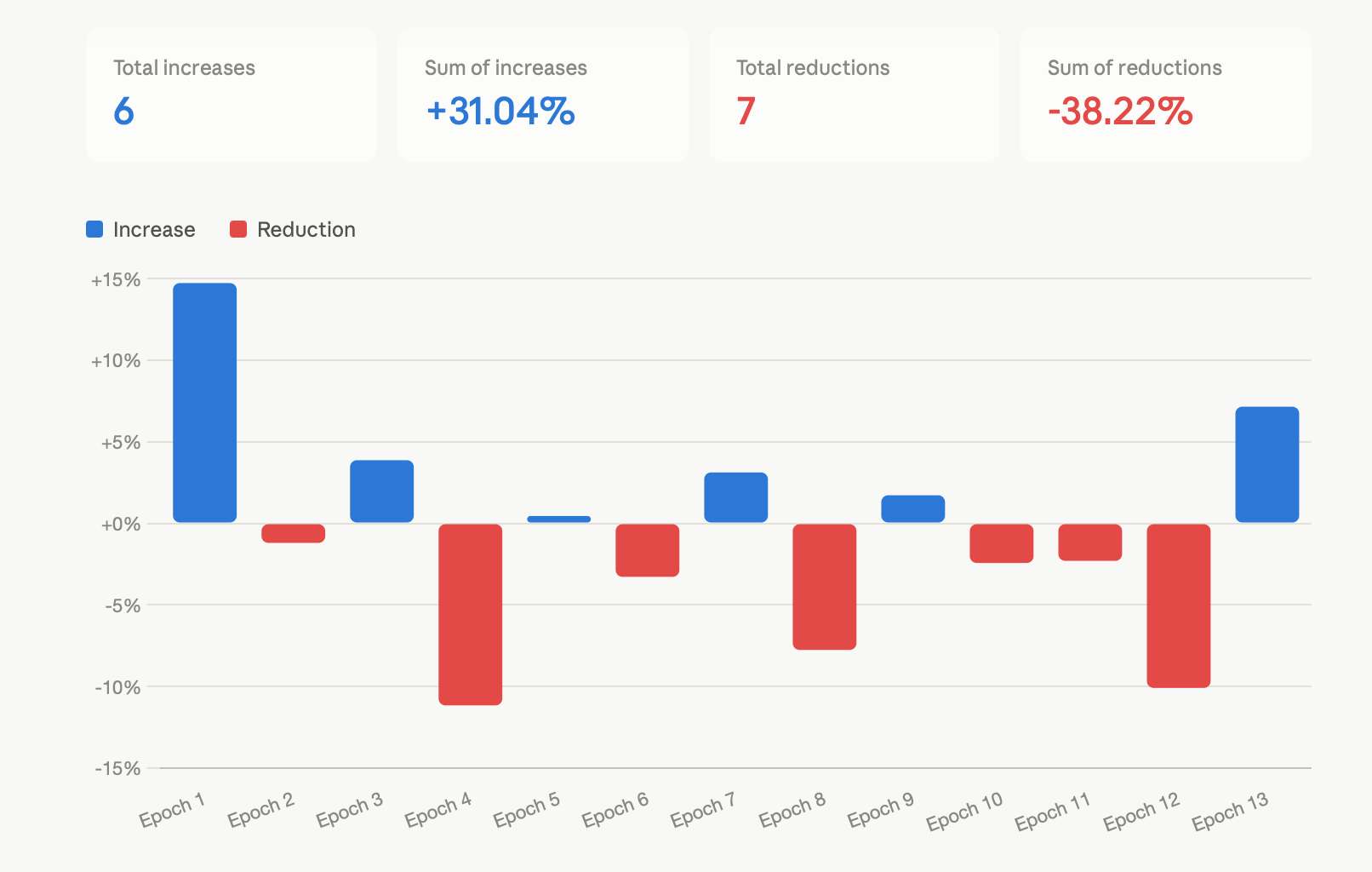
Bitcoin does not blink. The 7.15% difficulty jump shows a mining network doing exactly what it was built to do: ignore price, margins, and miner pain. Hashprice may be down 18% in a month, and bitcoin may trade 51% below its peak, but the protocol just counts blocks and tightens the target as necessary. The miners left standing are the efficient, the committed or both, keeping the bullseye 133.87 trillion times smaller than Satoshi’s in 2009.







Leave feedback about this